Compound Medicine Pharmacy: Is Compounded Medicine Covered by Medicare or PBS in Australia?
Understanding the relationship between compounded medicines and Australia's public funding schemes can save patients from unexpected costs. Patients who visit a compound medicine pharmacy often assume their scripts will be subsidised the same way standard medications are. In most cases, they will not be, and knowing why can help you plan ahead, speak more confidently with your GP or specialist, and make more informed decisions about your treatment.
What Is the Difference Between the PBS and a Compounded Medicine?
The Pharmaceutical Benefits Scheme (PBS) subsidises more than 900 prescription medicines so most Australians pay a capped contribution at the pharmacy rather than the full cost. When you fill a standard script at a regular pharmacy, the government picks up much of the bill.
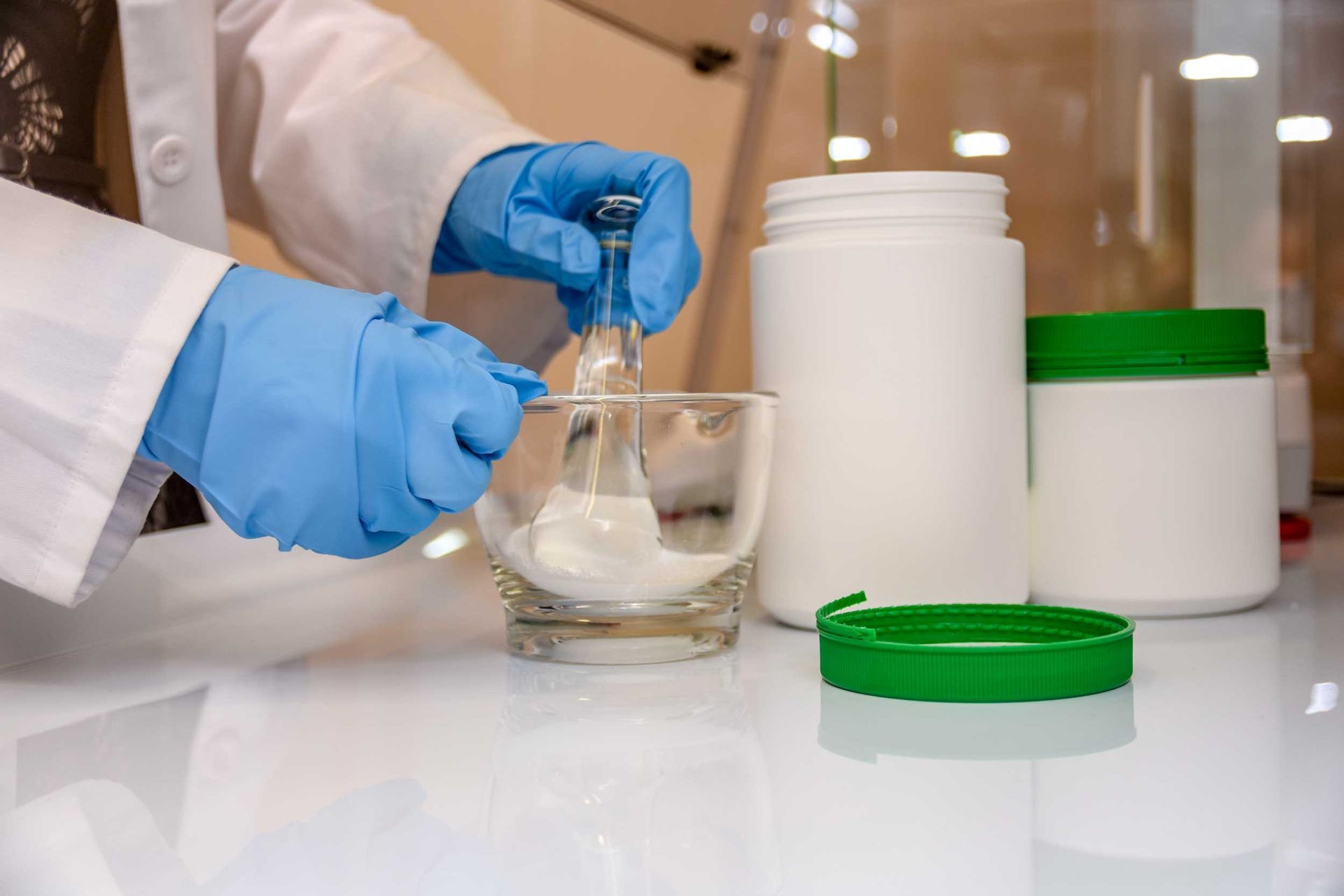
Compounded medicines work differently. They are prepared by a pharmacist for an individual patient when an approved, ready-made medicine is not suitable. A compound medicine pharmacy creates these preparations from scratch, tailoring the dose, form, or ingredients to your specific needs. That personalisation is what sets compounded medicine apart from commercially manufactured products on standard PBS lists.
Is Compounded Medicine Covered by the PBS?
Compounded medicine is generally not covered by the PBS. Compounded medications are private prescriptions, meaning patients pay out of pocket. Most health funds will offer a reimbursement for certain compounded medications, depending on the medication and its cost.
The core reason is straightforward. Compounded medicines are not individually evaluated for safety, quality, or efficacy in the same way as approved products. Because they sit outside the standard approval and listing process, they cannot be placed on the PBS schedule. The cost to patients varies depending on the complexity of the formulation and the ingredients used.
What About the Medicare Rebate?
Medicare does not cover the cost of compounded medicine at the dispensing stage. However, it can still reduce your costs indirectly. If you see your GP or specialist to discuss a compounded treatment option, the consultation itself may attract a Medicare rebate, even though the prescription that follows will not be subsidised through the PBS.
For patients in Keperra, QLD, and the surrounding suburbs of Ferny Grove, Everton Park, and Mitchelton, this is a practical distinction worth understanding. You may be able to bulk-bill or partially claim your appointment, but out-of-pocket costs will still include the compounded medication itself.
Can Private Health Insurance Help With the Cost?
Private health insurance with pharmacy extras cover may offer some assistance, depending on your fund and policy. Private health insurers cannot pay benefits towards a co-payment or any medications listed on the PBS. If your extras cover includes pharmacy, they may pay a set benefit amount per eligible item towards non-PBS pharmacy items prescribed by a medical practitioner.
Coverage policies differ significantly between funds, and many private health insurance companies in Australia will not cover compounded medications. It is always worth contacting your fund directly before starting a compounded treatment to confirm whether your policy offers any benefit and what documentation you will need. A qualified compound medicine pharmacy can advise on what records and receipts to keep to support any claim you plan to lodge.
When Is Compounding the Right Choice Despite the Cost?
Compounding may still be the best clinical option even when no government subsidy applies. The legislative framework recognises that compounding may be necessary in limited circumstances to meet an individual patient's clinical needs.
Common scenarios where a GP or specialist may recommend compounded medicine include patients who cannot tolerate preservatives or dyes in commercial formulations, children who need a flavoured liquid version of a medicine only available in adult tablet form, and patients who require hormone, thyroid, or pain relief medications at doses not commercially available. Residents in the greater Keperra and north-western Brisbane area can access compound medicine pharmacy services serving Keperra, with delivery available Australia-wide for those who cannot visit in person.
What Questions Should I Ask My GP or Specialist?
Before pursuing a compounded treatment, ask your prescriber the following:
- Is there a PBS-listed alternative that may meet my clinical needs?
- Do I qualify for a Medicare rebate on the consultation required to obtain this prescription?
- Will this compounded medicine be prepared in compliance with TGA and Good Manufacturing Practice (GMP) guidelines?
- Should I contact my private health fund in advance to check for any pharmacy extras benefit?
- Will I need repeat prescriptions, and how will ongoing costs be managed?
Having these conversations before you visit a compound medicine pharmacy can prevent surprise expenses and help you plan your treatment budget realistically.
How to Access Compounded Medicine and Manage Costs
Getting started is simpler than many patients expect. You will need a valid prescription from a registered medical practitioner. Once you have that, a compound medicine pharmacy can discuss your formulation options, explain the preparation process, and provide a quote before you commit. Keep records of all receipts, as these may be required if you intend to lodge a claim with your private health insurer.
For ongoing treatment, it is worth reviewing your PBS entitlements with your GP regularly. In some cases, a commercially available product may become suitable over time, or a new PBS listing may emerge that covers your condition.
Get in Touch With the Experts
If you have questions about compounded medicines and what may be right for your situation, the team at Keperra Compounding Pharmacy is ready to assist. You can order a compounded medicine or request a free script quote, or call 07 3354 3992 to speak with a qualified pharmacist today. For more information, visit the compounding pharmacy services page or reach out through the contact page.